What Is the Downside of a Linear Drain?
Linear drains have gained popularity in modern bathroom designs due to their sleek appearance and practical functionality. Однако, like any bathroom fixture, they come with both advantages and disadvantages. If you’re considering installing a linear drain, it’s essential to weigh the pros and cons to determine whether it’s the right choice for your renovation. In this article, we will explore five key benefits and five potential downsides of using a linear shower drain.
Advantages of a Linear Drain
1. Modern and Aesthetic Appeal
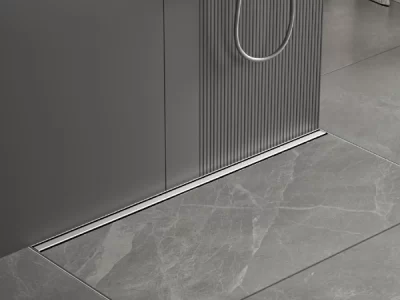
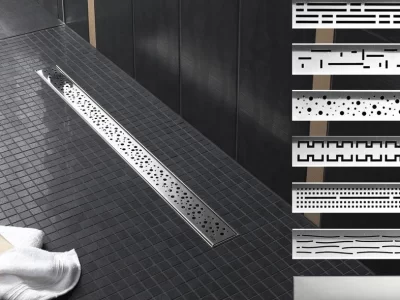
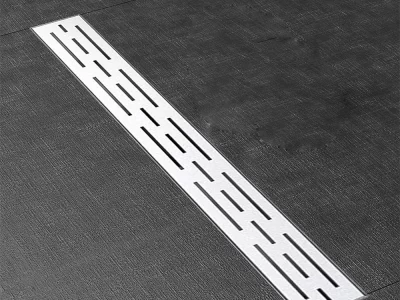
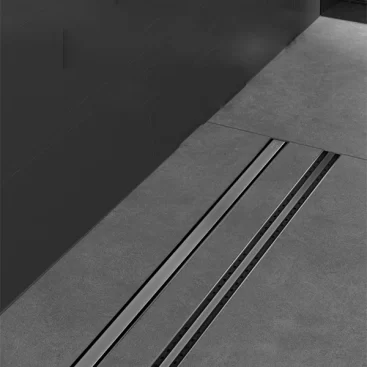
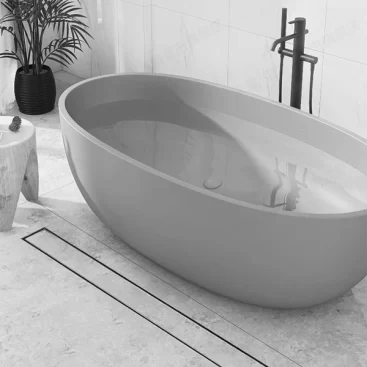
Linear drains offer a contemporary look that blends seamlessly into modern bathroom designs. Unlike traditional circular drains, which are often positioned at the center of the shower, linear drains can be discreetly placed along a wall or at the entrance, enhancing the overall aesthetic of the space.
2. Compatible with Large Tiles
One of the biggest advantages of a linear drain is that it allows for the use of large-format tiles. Traditional center drains require the shower floor to slope in four directions, limiting tile size to smaller mosaics. With a linear drain, the floor only needs to slope in one direction, making it possible to use larger tiles and create a more seamless look.
3. Ideal for Barrier-Free, Curbless Showers
A linear drain is the best option for curbless showers, which provide an open and accessible design. The single-direction slope facilitates smooth water drainage without requiring a curb, making the shower safer and easier to enter, especially for individuals with mobility challenges.
4. Effective Water Drainage Over a Larger Surface Area
Unlike traditional circular drains, which rely on a localized point for water collection, linear drains cover a wider surface area. This allows for faster and more efficient water removal, reducing the chances of water pooling on the shower floor.
5. Flexible Placement Options
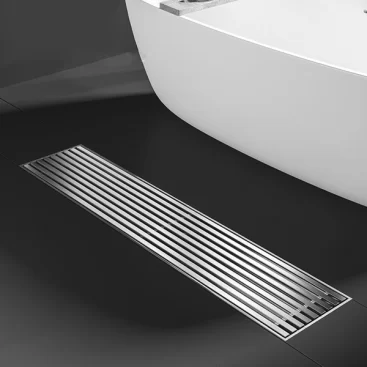
Linear drains can be installed in various locations within the shower, offering greater design flexibility. Whether placed against a wall, along the threshold, or spanning the entire shower width, these drains can be adapted to suit different layouts and preferences.
Disadvantages of a Linear Drain
1. Higher Installation Cost
One of the biggest downsides of a linear drain is its cost. Linear drains tend to be more expensive than traditional circular drains due to their design, materials, and installation complexity. Кроме того, installation often requires professional expertise, adding to the overall cost of your bathroom renovation.
2. More Complex Installation Requirements
Unlike circular drains, which work with a standard four-way sloped floor, linear drains require a precise, single-direction slope. This may necessitate structural modifications to the subfloor, increasing the time and effort needed for installation. If not installed correctly, improper slope alignment can lead to water pooling or slow drainage.
3. Higher Maintenance and Cleaning Requirements
Linear drains, especially longer ones, require regular cleaning to prevent buildup of debris, hair, and soap scum. While many models come with removable grates and easy-access strainers, they still require more maintenance than traditional circular drains, which tend to have a more centralized and efficient water flow.
4. Limited Availability of Standard Sizes
Unlike circular drains, which come in standard sizes that fit most shower designs, linear drains often require customization. If your shower layout is unique, you may need to order a custom-sized linear drain, which can increase costs and lead to longer lead times for delivery and installation.
5. Waterproofing Challenges
Proper waterproofing is crucial when installing a linear drain. The long and narrow shape of these drains means that any errors in waterproofing can lead to leaks, water damage, and mold growth. Ensuring a watertight installation requires additional materials and expertise, making the process more complex compared to traditional drains.
Conclusion
While linear drains offer numerous advantages, such as modern aesthetics, compatibility with large tiles, and improved drainage efficiency, they also come with drawbacks. Higher installation costs, increased maintenance needs, and complex waterproofing requirements are important considerations when deciding whether to install a linear drain in your bathroom.
Ultimately, the choice between a linear drain and a circular drain depends on your budget, design preferences, and installation constraints. If you prioritize style, accessibility, and a seamless look, a linear drain may be worth the investment. Однако, if you prefer a simpler and more cost-effective solution, a traditional circular drain might be a better fit for your renovation project.