What is the Difference Between a Linear Drain and a Circular Drain?
What Is the Difference Between a Linear Drain and a Circular Drain?
When planning a bathroom renovation, one crucial decision involves choosing the right type of drain for your shower. While traditional circular drains have been a long-standing choice, linear drains have gained popularity due to their modern design and functional advantages. Understanding the differences between these two options can help you determine which drain type is best suited for your project.
What Is a Linear Shower Drain?
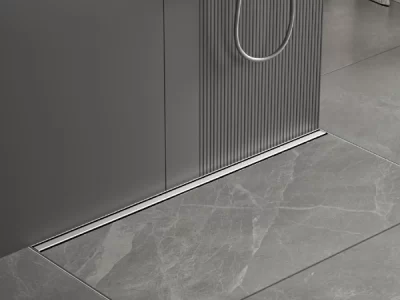
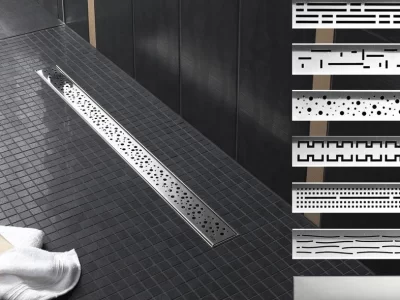
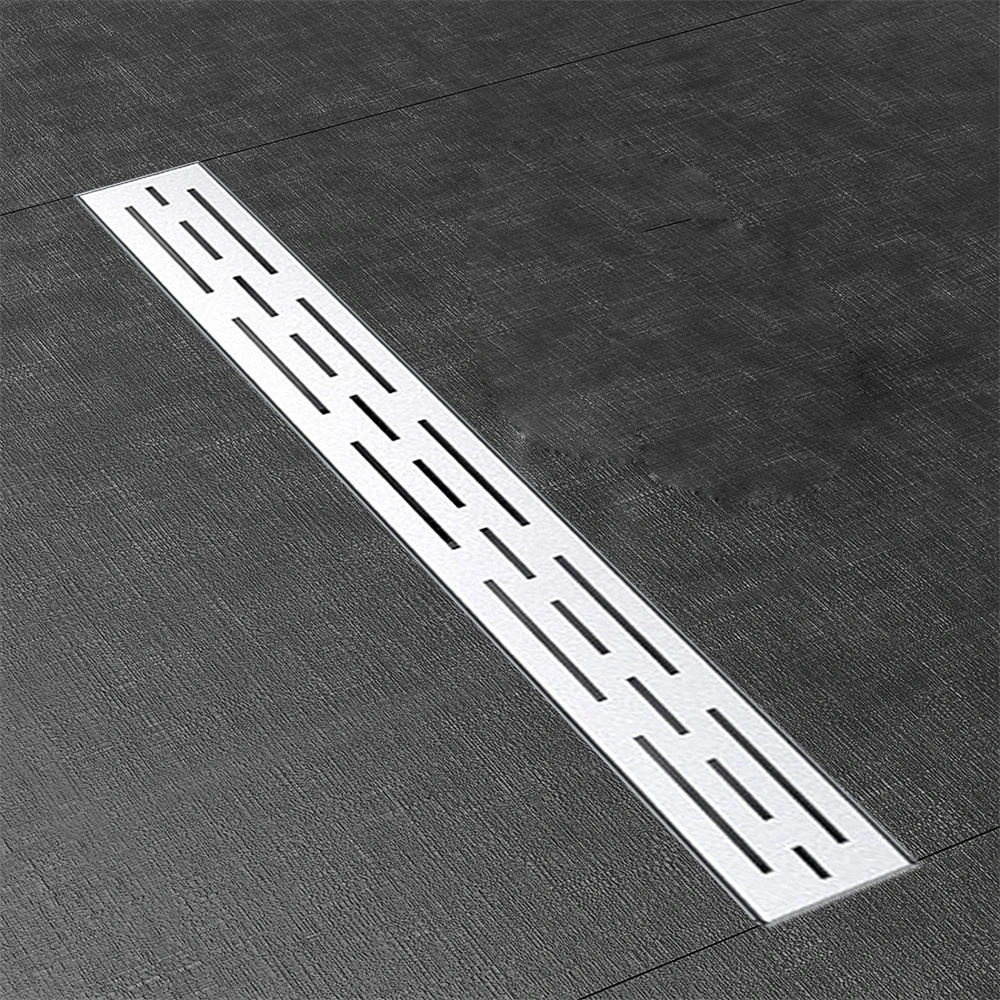
A linear shower drain features a long, narrow design that provides flexibility in placement and installation. Unlike traditional center drains, which require the floor to slope in four directions, a linear drain only requires a single-direction slope. This allows for greater design flexibility, particularly in modern and curbless showers.
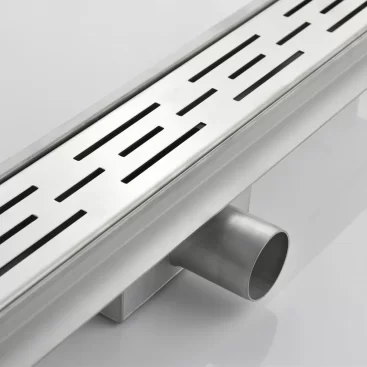
Advantages of a Linear Shower Drain:
- Allows for the use of larger tiles, expanding design possibilities.
- Can be placed along a shower wall or at the entrance for a minimalist look.
- Ideal for curbless and barrier-free showers, ensuring efficient water drainage over a larger surface area.
- Reduces tile limitations by eliminating the need for a four-sided slope.
- Offers a sleek, modern aesthetic that blends seamlessly into the shower floor.
Installation Options for Linear Drains:
- Wall-to-Wall Installation: Extends along an entire wall for uniform drainage.
- Against a Wall Installation: Creates a discreet, minimalist appearance.
- Channel Style Installation: Recessed into the floor for an integrated look.
- Threshold Installation: Positioned at the shower entrance to prevent water from escaping.
- Curbless Installation: Ensures an accessible, barrier-free shower design.
- Center Placement Installation: A modern alternative to traditional center drains.
What Is a Circular Shower Drain?
A circular (or square) shower drain is the most common type of drain found in traditional showers. It is typically placed in the center of the shower floor and requires a multi-directional slope to direct water efficiently toward the drain.
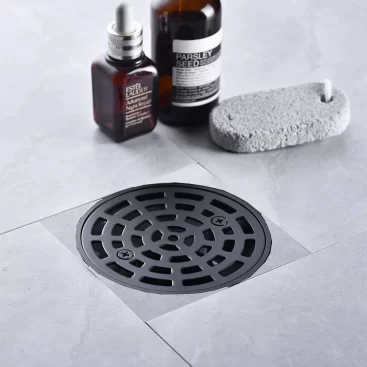
Advantages of a Circular Shower Drain:
- Familiar and widely used in residential and commercial bathrooms.
- Works well with smaller mosaic tiles that conform to a four-sided slope.
- Simpler and more cost-effective installation compared to linear drains.
- Available in various designs and finishes to complement different bathroom styles.
Installation Considerations for Circular Drains:
- Center Placement: The most common installation method, requiring a symmetrical floor slope.
- Traditional Pitched Floor: The shower floor slopes in four directions to guide water toward the drain.
- Small Tile Requirement: Larger tiles are more difficult to install due to the sloping pattern.
- Standard Installation: No additional structural modifications are usually necessary.
Linear Drain vs. Circular Drain: Which One Is Right for You?
Choosing between a linear and circular drain depends on several factors, including aesthetic preferences, installation requirements, and functionality.
| ميزة | Linear Drain | Circular Drain |
|---|---|---|
| Design Flexibility | High – allows for larger tiles and various placements | Limited – requires smaller tiles due to four-sided slope |
| Installation Complexity | Requires precise slope adjustment and possible subfloor modifications | Easier to install with standard plumbing setups |
| Aesthetic Appeal | Sleek, modern, and minimalistic | Traditional, widely recognized style |
| Ideal Tile Type | Large-format tiles | Small mosaic tiles |
| Best for Curbless Showers | نعم, due to single-direction slope | Not ideal due to required multi-directional slope |
| Water Drainage Efficiency | Covers a larger surface area, reducing water pooling | Drains water effectively but may have localized pooling |
| Cost Consideration | Higher upfront cost due to material and installation requirements | More budget-friendly and commonly available |
خاتمة: Making the Right Choice
A linear shower drain is an excellent choice for those seeking a modern, minimalist design with the added benefit of using larger tiles. It is particularly effective for curbless showers and accessible bathroom designs. However, it requires more precise installation and may come at a higher cost.
A circular shower drain remains a reliable and cost-effective option, especially for traditional bathrooms. Its widespread use and familiarity make it easy to install, and it pairs well with smaller tiles and standard shower designs.
Ultimately, the best choice depends on your bathroom layout, design vision, and budget. If you prioritize aesthetics and flexibility, a linear drain is the way to go. If you prefer simplicity and a straightforward installation, a circular drain may be the better option.