How to Unclog Shower Drain ?
5 Simple Ways to Unclog Shower Drain
If you notice a build-up of standing water during shower, or draining very slowly, it’s time to put on some gloves and inspect your shower floor drain.
Regularly cleaning the shower drain is not only about avoiding the hassle of standing in water or waiting for it to drain, but also removing blockages in the drain and pipes keeps water flowing smoothly, and helps prevent bad odors, mold, pests, leaks, and frozen pipes in winter. This is especially important in cold months, as clogged shower drain are more prone to freezing and bursting, which could result in costly repairs.
What Causes Shower Drain Clogs?
Shower drain clogs can result from several factors, including:
Hair
Skin cells
Hard water deposits
Soap, exfoliating agents, steam products, and shampoo buildup
Small objects that might have broken off or fallen into the drain, such as razor caps or bits of loofah (these can get tangled in hair clogs, worsening the blockage).
When you start noticing drainage issues, try one of the following simple solutions first to tackle the buildup. These are safe, easy, and effective methods to help prevent clogs.
Note: Never use bleach and white vinegar together, as the chemical reaction releases toxic gases.
What to Do If You Suspect Your Shower Drain is Clogged?
If your shower is draining slowly, wait until all the water has drained completely, as it’s easiest to address potential issues when the pipe is empty. If water won’t drain and blocks your access, try using a plunger to push it down the pipe. In many cases, you can manually clean parts of the drain.
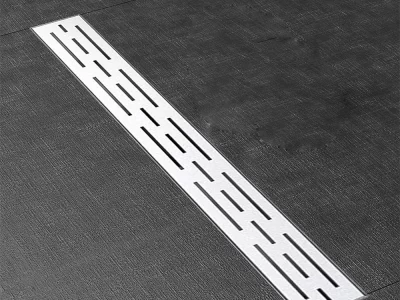
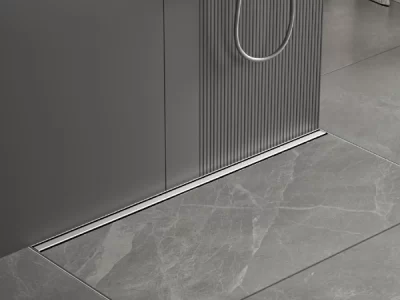
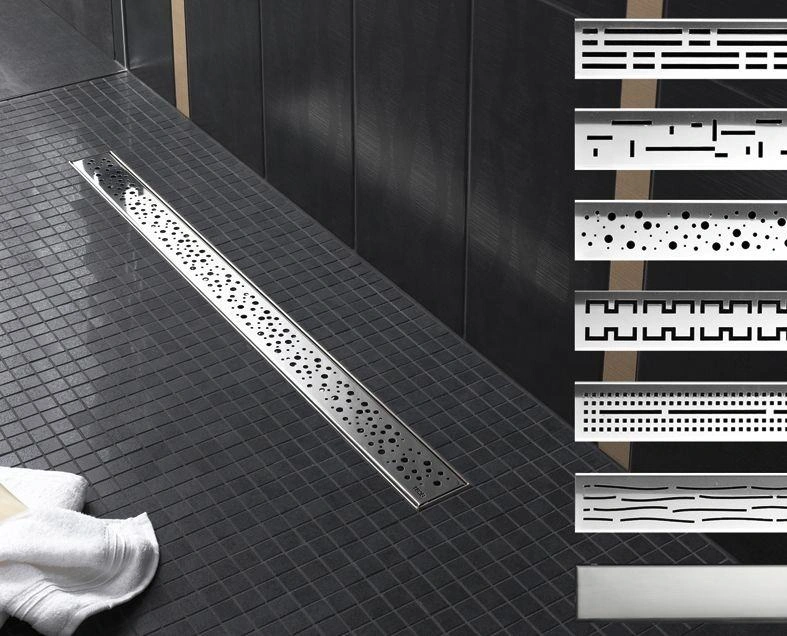
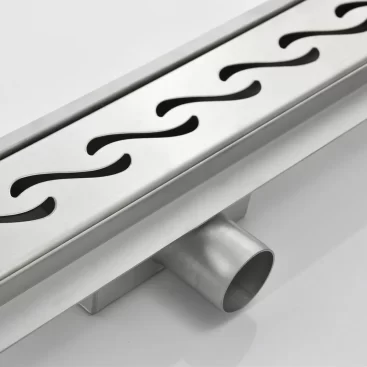
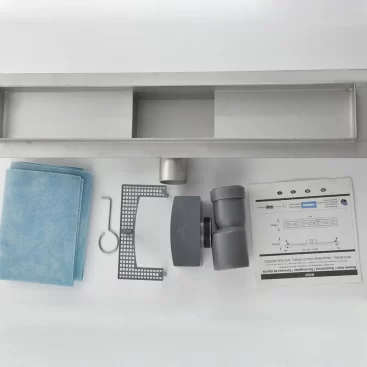
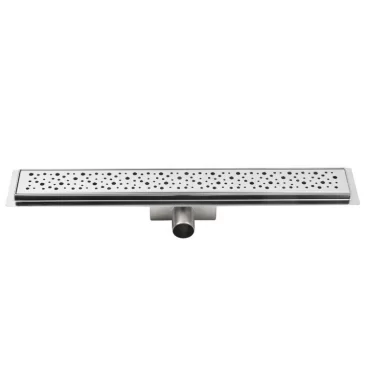
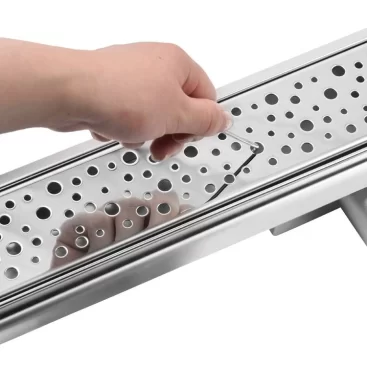
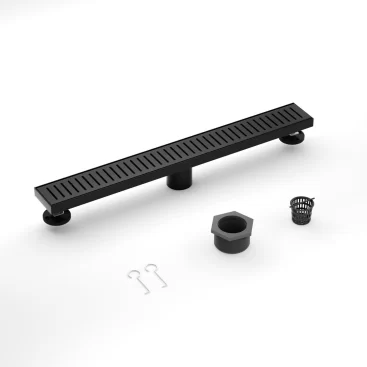
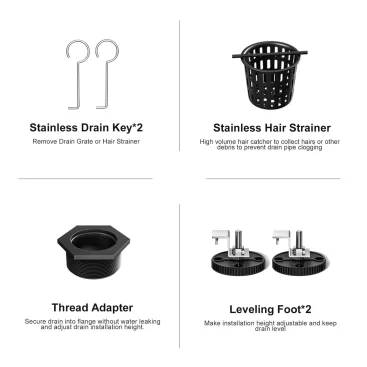
Check for visible obstructions in the drain. Hair clumps are often the main culprit. Clean the shower floor and around the drain to remove any buildup or loose hair, then use the lifting hook that comes with the drain cover to lift it easily and remove any hair or gunk clogging the hair strainer. No matter Ralo linear do chuveiro, Square Shower drain, Telha no ralo, Triangles Dreino do chuveiro, ou Ralo redondo, they all have covers, lifting hook, and hair catching…etc..
If you’ve removed visible blockages and water is still draining slowly, it’s time to clear the drain.
5 Methods to Unclog a Shower Drain
Try these methods to remove or dissolve clogs.
1.Using Baking Soda and White Vinegar
- If your drain is still slow or dirty even after removing hair from the cover, try a deep clean. This addresses buildup throughout the pipes, especially in the P-trap, where unseen grime often collects.
- Pour 1 cup of white vinegar down the drain, followed by 2 tablespoons of baking soda. You’ll notice an immediate reaction.
- Add another cup of vinegar to intensify the reaction, pushing the solution further into the pipes to dissolve more buildup.
- Let the mixture sit for 30 seconds, then turn on the shower to flush the baking soda and vinegar through the pipes.
- Run the shower for a minute to ensure water flows smoothly. If draining is still slow, move on to the next method.
2.Using a Kettle of Boiling Water
- If there are no obvious obstructions and chemical solutions haven’t worked, try boiling water, which can help dissolve softer buildup along the edges, such as soap scum. Repeat two to three times.
3.Using a Drain Snake
- If the clog persists, use a drain snake to check for larger blockages in the P-trap. A drain snake, also known as a plumber’s auger, is a flexible, retractable tool available at hardware stores.
- Feed the snake into the drain using its hand crank to break up or pull out the clog. Disposable plastic versions of snakes are also available and require no cranking; you can even use them in clogged toilets.
- Clean the snake after use. Small drain snakes cost less than $10, while heavy-duty augers are available for tougher clogs.
To make a DIY snake, use a wire hanger bent at the end into a hook shape. Insert the hooked end into the drain, turning it to grab or dislodge clogs.
- Pull it out, you might retrieve a clump of hair.
- If nothing comes out, it may still have loosened the clog enough to flush with more water. If the clog is deeper than the hanger can reach, try a longer snake or other solvent.
4.Using a Bleach-Based Drain Cleaner
- Use a commercial drain cleaner formulated with bleach, but never mix it with vinegar solutions.
5.Calling a Plumber
- If none of these methods improve drainage, it’s time to call a professional.
4 Tips for Preventing Clogs
1.Do not move the Drain Cover
Hair is almost always the main cause of shower drain clogs. A drain cover catches most loose hair, making removal easy after each shower.
2.Avoid Body Scrubs
Body oils feel great on your skin, but they often harden in the pipes after use. Avoid oil-based shower products or reserve them for after your shower.
3.Dispose of Extra Waste Elsewhere
Avoid dumping waste like dirt and debris into the shower drain, as larger particles can worsen clogs over time.
4.Maintain the Drain Regularly
Add drain cleaning to your regular cleaning routine. Keep a bottle of white vinegar, baking soda, or a drain cleaner in your bathroom, and pour some down the drain every few showers, followed by hot water.
One last reminder: if you’re cleaning both the shower tiles and the drain, don’t mix bleach with vinegar.