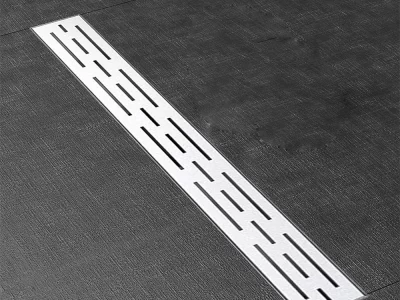
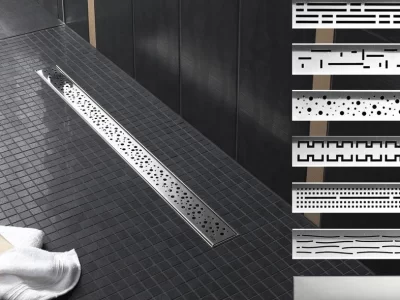
샤워기 배수구 냄새가 나는 이유는 무엇입니까?
샤워기 배수구에서 나는 악취로 인해 상쾌한 샤워가 불쾌한 경험으로 바뀔 수 있습니다.. 이러한 냄새를 효과적으로 해결하고 예방하려면 근본적인 원인을 이해하는 것이 필수적입니다.. 샤워기 배수구에서 불쾌한 냄새가 날 수 있는 몇 가지 잠재적인 이유는 다음과 같습니다., 제안된 솔루션과 함께:
1. Accumulation of Biofilm
Over time, soap residue, hair, skin cells, and other organic materials can accumulate on the walls of your drain pipes, forming a slimy substance known as biofilm. This biofilm becomes a breeding ground for bacteria, which can produce unpleasant odors.
Solution: Regularly clean your drain to prevent biofilm buildup. Pour a mixture of baking soda and vinegar down the drain, let it sit for 15 분, then flush with hot water. For persistent issues, consider using a drain brush to physically remove the buildup.
2. Dry or Faulty P-Trap
The P-trap is a U-shaped pipe beneath your shower drain designed to hold water, creating a seal that prevents sewer gases from entering your home. If this trap dries out or is malfunctioning, it can allow these gases to escape, leading to a sewage-like odor.
Solution: Ensure the P-trap contains water by running the shower periodically, especially in guest bathrooms that are seldom used. If the problem persists, inspect for leaks or damage in the P-trap that may require professional repair.
3. Mold and Mildew Growth
Damp environments like shower drains are susceptible to mold and mildew growth, which can emit musty odors.
Solution: Clean the drain area with a mixture of baking soda and water to create a paste. Apply this paste to the drain, let it sit for 10 분, then scrub with an old toothbrush. Rinse thoroughly with hot water.
4. Presence of Drain Flies
Drain flies, also known as sewer gnats, are small insects that breed in the organic matter within drains. Their presence can contribute to unpleasant odors.
Solution: Clean the drain thoroughly to remove the organic material where these flies lay eggs. Use a drain brush to scrub the pipe walls, followed by flushing with hot water.
5. Buildup of Mineral Deposits
In areas with hard water, minerals can accumulate on the interior surfaces of pipes, trapping organic materials and leading to odors.
Solution: Install a water softener to reduce mineral content in your water supply. 추가적으로, regular cleaning of your drains can help prevent buildup.
6. Leaky Pipes
Leaks in your plumbing system can lead to damp areas where mold and bacteria thrive, contributing to unpleasant smells.
Solution: Inspect your plumbing for leaks and repair them promptly. Regular maintenance can help identify and address issues before they lead to odors.
7. Sewer Line Issues
Cracks or blockages in the main sewer line can cause sewer gases to back up into your home’s plumbing, resulting in foul odors.
Solution: If you suspect a sewer line issue, contact a professional plumber to inspect and repair the problem.
8. Contaminated Water Supply
Sometimes, the odor may originate from the water itself, especially if it has a sulfur or rotten egg smell, indicating the presence of hydrogen sulfide.
Solution: Test your water supply for contaminants. If hydrogen sulfide is detected, installing appropriate filtration systems can help eliminate the odor.
9. Infrequent Use of the Shower
Showers that are seldom used can have water evaporate from the P-trap, allowing sewer gases to enter the bathroom.
Real Simple
Solution: Run water in rarely used showers periodically to ensure the P-trap remains filled.
10. Improper Ventilation
Poor bathroom ventilation can trap moisture, leading to mold growth and musty odors.
Solution: Ensure your bathroom is well-ventilated by using exhaust fans or opening windows to reduce humidity levels.
By identifying the specific cause of the odor in your shower drain, you can apply the appropriate solution to maintain a fresh and pleasant bathroom environment. Regular maintenance and prompt attention to plumbing issues are key to preventing unpleasant smells.